How much it costs to open a pilates studio in Indonesia
The startup costs of a reformer pilates studio in Indonesia, from equipment, space and instructors to the costs owners forget, and how to work out break-even.
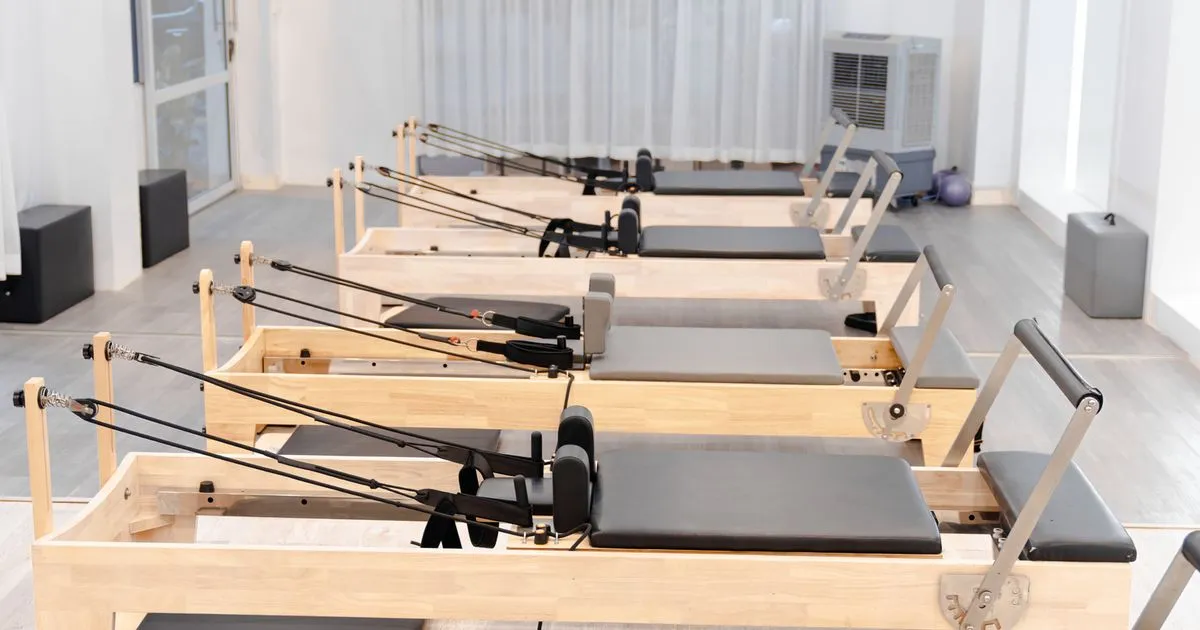
Most budgets for a new pilates studio start with the price of a reformer. That makes sense, since equipment is the largest single line. But what drains cash in the first months rarely comes from equipment. It comes from rent paid a year in advance, classes that are only half full, class pack money spent before the classes are delivered, and hours lost to answering booking messages.
This article splits the budget into the lines you need to plan for, then shows how to work out when the studio starts covering its own costs. The figures are examples and ranges at the time of writing, in Indonesian rupiah. Replace them with numbers from your own location and concept.
The short answer
The cost of opening a pilates studio comes in four parts:
- Equipment: reformers and the gear around them.
- Space: rent, fit-out and client facilities.
- Getting ready to open: licensing, instructors, a booking system and launch marketing.
- Cash reserve: three to six months of running costs, while classes are not yet full.
For a small studio with six reformers, the equipment alone can cost around Rp120 million to Rp270 million, depending on the model. The fourth part is the one most often underestimated, and it is the part that keeps the studio open until the schedule fills up.
1. Equipment: reformers and what goes with them
The number of reformers sets the capacity of every group class, so decide it together with your planned schedule. A studio focused on private and duo sessions can start with three or four units. A studio built on group classes usually needs six to ten.
As a guide, studio-grade reformers at several local pilates equipment shops in October 2026 were priced around Rp20 million to Rp45 million per unit, including the discounts running at the time. Folding reformers for home use are far cheaper, but they are not built to be used by a dozen people a day.
| Reformers | Estimated equipment cost (Rp20–45 million per unit) |
|---|---|
| 4 units | Rp80 million – Rp180 million |
| 6 units | Rp120 million – Rp270 million |
| 8 units | Rp160 million – Rp360 million |
Beyond the reformers, plan for:
- Boxes, jump boards, mats, rings, balls and other props your instructors’ programmes need.
- Delivery and installation, if not included in the price.
- Parts that wear out first, such as straps, springs and padding. Put their upkeep in the monthly budget, not only in the opening budget.
2. Space: rent, fit-out and facilities
Every reformer needs room to move around it, so floor area also decides how many units fit. Measure the floor plan before you order equipment.
The usual lines here:
- Rent. Many shophouses and commercial spaces in Indonesia are let by the year and paid up front, sometimes with a deposit. One to two years of rent can leave your account before the first class.
- Fit-out. Flooring, mirrors, lighting, air conditioning and airflow, and enough electrical capacity.
- Client facilities. Toilets, changing room, lockers or shelves, drinking water and a front desk.
- Consumables. Towels, equipment cleaner and daily cleaning.
A premium location can bring clients who will pay more, but its rent also becomes part of your fixed costs every month. This line moves the break-even calculation at the end of this article more than any other.
3. Getting ready to open
Licensing. A studio needs a business identification number (NIB), registered through OSS. Check local rules on building and signage permits too. If you are not an Indonesian citizen, the company structure is different, usually a foreign-owned company (PT PMA). Ask a licensing consultant for the details that fit your situation.
Instructors. Two patterns are common: a fee per class, or a monthly salary for a set number of classes. A per-class fee is lighter at the start because the cost rises and falls with the number of classes. Count trial classes and soft-opening classes too. A free class for the client is still a paid class for the instructor.
Booking and payments. Decide from the start how clients see the schedule, buy class packs and pay. The cost can be a software subscription, payment transaction fees, or admin hours if everything runs through chat. The next section looks at that last one. To compare the options, see pilates studio booking software in Indonesia: 8 options compared.
Launch marketing. Studio photos and video, social media content, trial classes and an opening event. Set a budget, because this line grows easily.
4. The costs owners forget
Three to six months of cash reserve
Classes are rarely full in the first month. Rent, electricity, instructor fees and subscriptions keep running. Keep a cash reserve that covers at least three months of running costs, six to be safer, and hold it apart from your operating account so it does not get spent quietly.
Class pack money is classes you still owe
When a client buys a 10-class pack, the money arrives that day, but the classes are delivered over the following weeks or months. If pack money goes straight into this month’s costs, the studio can run short of cash just as clients come in to use their credits.
Two things help. First, track each client’s remaining credits properly, not in chat history. Second, give every class pack a clear validity period, such as three months from purchase or from the first class used, so the classes you owe do not pile up without limit.
Payment transaction fees
Online payments carry a fee per transaction that the studio pays. For QRIS, the rate (MDR) is set by Bank Indonesia. From 1 October 2026, micro businesses pay 0% on transactions up to Rp500,000 and 0.3% above that. Small, medium and large businesses pay 0% on transactions up to Rp100,000 and 0.7% above that. The fee cannot be passed on to the client. Source: Bank Indonesia.
Pilates class packs are almost always above Rp100,000, so include this percentage in your numbers. Other methods such as Virtual Account, e-wallets and cards have their own rates from your payment provider.
Hours spent on manual booking
A studio that takes bookings over WhatsApp and Instagram DMs pays in time. Answering schedule questions, checking transfer receipts one by one, tracking remaining credits and rearranging cancelled classes can take several hours a day. If the owner does it, the cost never shows in a report, but it is still there. If an admin does it, it becomes a monthly salary.
The other problem with manual booking is two clients who both believe they booked the last reformer. In a class of six machines, one mistake like that is felt straight away.
Empty slots from last-minute cancellations
A reformer left empty because a client cancelled an hour before class is lost revenue. Write your cancellation and reschedule policy from day one: how late a client can cancel, whether the credit comes back, and what a late reschedule costs. A policy written at the start is far easier to run than a rule that appears after a client is already upset. You can start from these pilates studio cancellation policy templates.
5. How to work out break-even
Break-even answers one question: how many visits a month does the studio need for revenue to cover costs?
The formula:
Break-even visits per month = monthly fixed costs ÷ margin per visit
Monthly fixed costs are the costs you pay however many classes you run: rent (spread per month), electricity, fixed salaries, software subscriptions, equipment upkeep, and equipment instalments if any.
Margin per visit is the effective price of one class minus the costs that come with each visit, namely the instructor fee per participant and the transaction fee.
An example
The figures below only show how the calculation works.
- Fixed costs: Rp45 million a month.
- A 10-class pack sells for Rp1.8 million, an effective price of Rp180,000 per class.
- Instructor fee: Rp250,000 per class.
- Transaction fee: 0.7%, about Rp1,260 per class.
With an average of five people per class, the instructor cost per visit is Rp50,000. The margin per visit is Rp180,000 minus Rp50,000 and Rp1,260, which is Rp128,740. Break-even is Rp45 million divided by Rp128,740, about 350 visits a month, or about 70 classes of five people.
With an average of only three people per class, as is normal in the first months, the instructor cost per visit rises to about Rp83,300. The margin drops to about Rp95,400, and break-even rises to about 470 visits a month, or almost 160 classes.
The gap between those two scenarios is what your cash reserve has to cover. The calculation also shows the two things that move break-even most: the average number of people per class, and fixed costs, rent above all.
A checklist before you sign the lease
- The number of reformers fits the floor plan and the planned schedule.
- Prices per class, class pack and membership are worked out, including their validity.
- Monthly fixed costs are written down line by line, including rent spread per month.
- Break-even is calculated with a realistic average class size, not only full classes.
- A cash reserve of three to six months is set aside.
- The cancellation and reschedule policy is written.
- How clients book and pay is decided, along with the transaction fees.
Where Vlora helps
Vlora handles the systems part of the list above. Clients see the slots left and pay on your studio’s booking page by QRIS, Virtual Account, e-wallet or card. The slot is held while the client pays, so the last reformer is never sold twice. The money goes to the studio’s own payment account and is recorded in the finance report by the day it arrives. More on the Payments & finance reports page.
Class pack validity, a cancellation policy per class type and reschedule fees run on every booking. See Class packs, memberships & rules, or start from the page for pilates studios if you are setting up a new studio.